Capsaria
From capsarius: the Roman attendant entrusted with guarding someone else's property.
Nothing in a museum's care actually belongs to the museum. A donor gave it, a community entrusted it, or the record outlived everyone who first touched it, and the job, always, is to keep it safe and account for it while it passes through your hands. That is what a capsarius did for a Roman household's goods, and it is the job this software is built around: not storage, custody.
Capsaria is the name behind that idea: a home for the collection, loan, and rights records a museum is answerable for, said the way a careful custodian would say it.
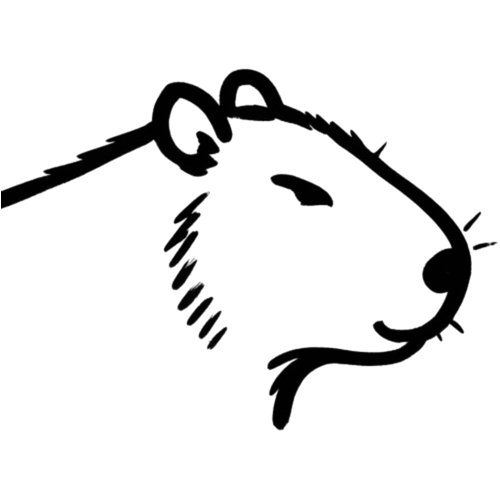
Why a capybara
Nature already has an animal that does the capsarius's job without being asked. Capybaras are the one creature every other animal seems to trust on sight: birds ride on their backs, turtles line up to sun themselves next to them, even caimans leave them alone. Not because the capybara is fierce. Because it's steady. It doesn't startle, doesn't hoard, doesn't make anything nervous enough to leave. Things, and other creatures, settle near it.
That's the job a museum collection does too, and the job this software is built to do underneath it: hold what isn't yours, calmly, for as long as it takes, without ever making the people watching feel like something might get dropped.
Capsaria. Steady enough that everything else can rest on it.
(Yes, like the capybara. That's the point.)